
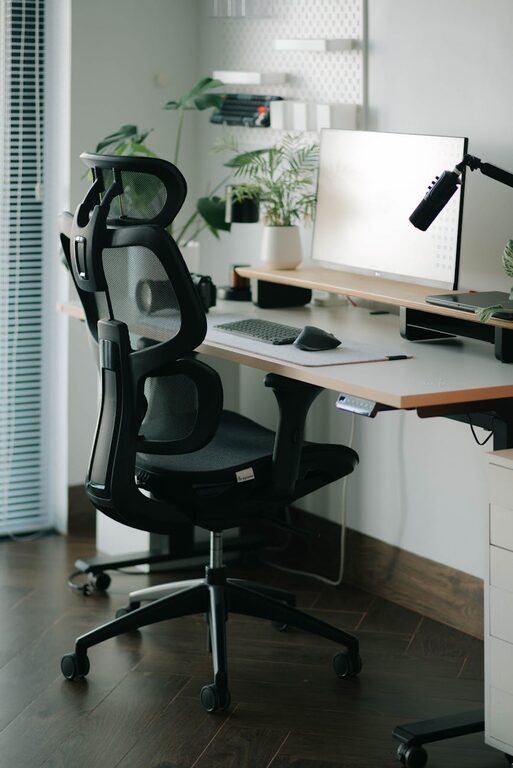
Creating a relaxing home office environment can make a significant difference to how productive and comfortable you feel during your working hours. With more people working from home, it’s essential to design a space that not only supports your tasks but also promotes your well-being.
In this post, we’ll explore simple, effective tips to help you set up a calming and efficient home office, so you can enjoy both focus and relaxation throughout your workday.
Why a Relaxing Home Office Matters
Your surroundings have a strong influence on your mood and concentration. A cluttered, noisy, or uncomfortable workspace can increase stress and lower productivity. On the other hand, a thoughtfully arranged office supports your mental clarity and physical comfort, making work less tiring and more enjoyable.
By creating a relaxing environment, you can:
– Improve concentration and creativity
– Reduce feelings of stress and overwhelm
– Maintain better physical health with ergonomic furniture
– Foster a routine that separates work and home life
Choosing the Right Location
Prioritise Natural Light
Natural light has a positive impact on your mood and energy levels. Whenever possible, position your desk near a window to enjoy daylight. This can help regulate your internal body clock and reduce eye strain.
Minimise Noise and Distractions
Select a quiet spot in your home, away from high-traffic or noisy areas. If that’s not possible, consider soundproofing measures or use noise-cancelling headphones to stay focused.
Define Your Workspace
Even a small corner can serve well as a dedicated office space. Having a clear boundary between your work area and relaxation zone helps your mind switch into ‘work mode’ and switch off at the end of the day.
Desk and Chair: Comfort is Key
Ergonomic Furniture
Investing in an ergonomic chair and desk setup reduces discomfort and injury risks. Your chair should support your lower back, and your desk height should allow your arms to rest comfortably while typing.
Organise for Efficiency
Keep your desk tidy and only place essentials within reach. Use organisers, trays, or drawers to store stationery and documents neatly. A clean desk promotes productivity and reduces stress.
Soothing Colours and Decor
Choose Calming Colours
Colours influence mood. Soft blues, greens, and neutral tones tend to create calming atmospheres, while overly bright colours can be distracting.
Personal Touches
Adding some personal items like photos, plants, or artwork provides comfort and inspiration. Plants, in particular, improve air quality and add a touch of nature that promotes calm.
Lighting and Ambience
Layer Your Lighting
Use a combination of ambient, task, and accent lighting. A desk lamp helps reduce eye strain during focused work, while softer background lighting creates a welcoming space.
Avoid Harsh Glare
Adjust screen brightness and position your monitor to minimise glare. Consider anti-glare screen protectors if needed.
Incorporating Movement and Breaks
Regular Breaks
Short breaks throughout the day help reduce stress and improve focus. Use reminders or apps to stand up, stretch, or take a few deep breaths.
Movement-Friendly Setup
If possible, use a sit-stand desk or create space for light stretching. Moving regularly improves circulation and prevents stiffness.
Technology and Connectivity
Reliable Equipment
Ensure your computer, internet, and other devices work smoothly to avoid frustration. Regularly update software and maintain your hardware.
Cable Management
Keep cables organised to avoid clutter and hazards. Use clips, sleeves or boxes to keep wires neat and out of sight.
Maintaining a Healthy Work-Life Balance
Set Clear Hours
Establish fixed working hours and stick to them. This helps you switch off and prevents burnout.
End-of-Day Ritual
Create a routine to signal the end of your workday, such as tidying your desk, switching off your computer, or taking a walk outdoors.
—
Creating a relaxing home office is about balancing practicality with comfort. By making conscious choices around lighting, furniture, decluttering, and personal touches, you create a space that supports both your productivity and your well-being.
Start small: rearrange your desk, add a plant, or open the curtains. Over time, these small changes add up to a workspace that feels inviting and energising every day.