
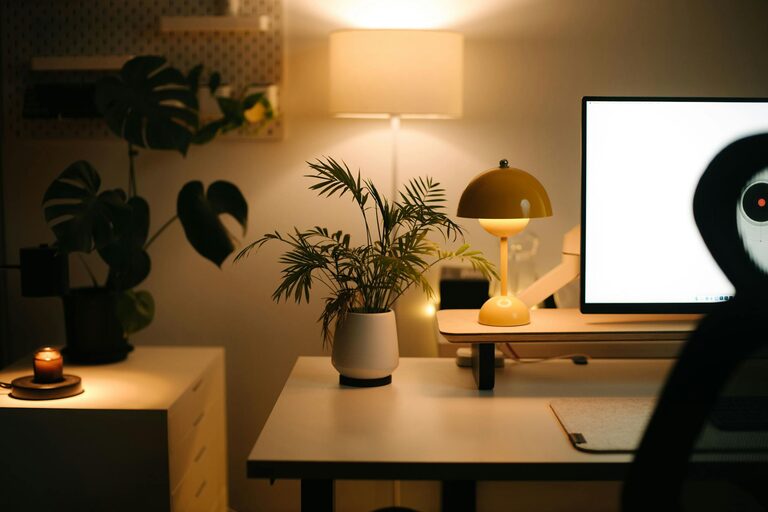
Creating a productive home workspace doesn’t have to mean splashing out on expensive furniture or gadgets. With a bit of thoughtful planning and creativity, you can design a comfortable and efficient work area that suits your needs, all on a modest budget. In this guide, we’ll explore practical tips and ideas to help you build a workspace that boosts your productivity without breaking the bank.
Why a Good Workspace Matters
Having a designated spot for work can significantly improve focus and motivation. When your environment supports your tasks, you’re less likely to be distracted and more likely to maintain good work habits. Plus, a tidy and inviting workspace can help separate your professional life from personal time, which is especially important when working from home.
Choosing the Right Spot
Consider Natural Light
If possible, set up your workspace near a window. Natural daylight not only reduces eye strain but is known to improve mood and energy levels. Position your desk so that light comes from the side to avoid screen glare.
Find a Quiet Corner
Look for a quiet area where household noise is minimal. This might be a spare room, a corner of the living room, or even an unused nook. Reducing distractions helps maintain concentration.
Essential Furniture on a Budget
Desk Options
You don’t need to buy a specialised desk. Many people successfully use dining tables, kitchen counters, or even sturdy old doors placed on trestles as desks. If buying new, consider affordable options from second-hand shops or online marketplaces.
Seating Matters
An ergonomic chair is ideal, but if that’s not budget-friendly, look for chairs that offer back support and can be adjusted for height. Adding a cushion can improve comfort.
Multipurpose Furniture
Consider furniture that can double up for storage and workspace, such as shelving units with a desktop surface or fold-away desks that save space.
Organising Your Workspace
Declutter Regularly
Keep only what you need on or near your desk to avoid distractions. Regularly clear away papers and unused items.
Use Affordable Storage Solutions
Solutions like baskets, boxes, and desk organisers help keep things tidy. Many can be found cheaply at supermarkets or discount stores.
Cable Management
Messy cords can be distracting. Use simple clips, zip ties, or even toilet roll tubes to keep cables organised and out of sight.
Lighting Tips
Affordable Desk Lamps
If your workspace lacks sufficient light, a desk lamp can help. LED lamps are energy-efficient and often inexpensive.
Maximise Natural Light
Keep curtains open during the day and position your desk to make the most of daylight.
Personalising Your Space
Make It Inviting
Add small touches like plants, photos, or artwork to create an inspiring environment. These needn’t be costly — even a few sprigs from the garden in a simple vase can brighten up a desk.
Keep Things Practical
Avoid overcrowding your space with decorations. Prioritise items that support your work and keep distractions low.
Technology and Equipment
Prioritise Essentials
Focus on getting a reliable internet connection and a functional computer or laptop. Accessories like keyboards, mice, or headphones can be added over time.
Use Free Software Tools
Many free productivity tools are available online, such as calendar apps, note-taking software, and time-management apps, reducing the need for expensive subscriptions.
Maintain Healthy Habits
Take Breaks
Set reminders to take regular breaks. Stretch, move around, or have a glass of water to stay refreshed.
Good Posture
Pay attention to how you sit. Adjust your chair and screen height to maintain a comfortable position.
Tips for Maximising Small Spaces
Vertical Storage
Use wall-mounted shelves to free up desk space.
Foldable Furniture
Fold-away desks or chairs can be stored when not in use, making small rooms more flexible.
Clear Boundaries
Even in a shared room, try to establish a clear “work zone” to mentally separate work from leisure.
Final Thoughts
Setting up a productive home workspace without spending a fortune is completely achievable. By choosing the right spot, keeping things organised, investing in a few key pieces, and personalising your area with simple touches, you can create a comfortable, efficient environment that supports your work. Remember, the goal is to build a space where you can focus and feel motivated, not necessarily one that looks like a showroom.
Start small, be creative, and adjust your workspace as you discover what works best for you. With these tips, productivity at home can become easier and even enjoyable.